
Table of Contents
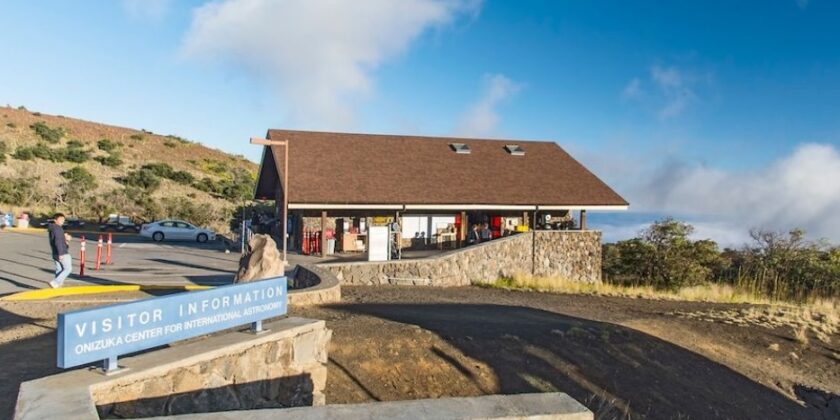
At 9,200 feet above sea level, perched on the rugged flanks of Mauna Kea, the Onizuka Visitor Center is more than just a pit stop on your way to the summit—it’s a threshold between Earth and sky, between science and culture, between the seen and the infinite. For travelers, backpackers, and adventure seekers, this humble outpost is where high-altitude dreams begin and star-dusted memories are made.
I remember the first time I brought a small group of travelers up Saddle Road. The horizon stretched wide and golden as the lava fields gave way to an alien-looking alpine desert. When we reached the Maunakea Visitor Information Station, the air turned crisp, and above us, the clouds parted like a curtain revealing a deep velvet sky freckled with stars. “Are we still on Earth?” someone asked in awe.
Whether you’re planning to hike to the summit, drive as far as your vehicle allows, or simply soak in the cosmic views from the center, this article will guide you through everything you need to know—logistics, safety tips, cultural context, and why this is one of the most extraordinary places to visit on the Big Island of Hawaiʻi.
The Legacy Behind the Maunakea Visitor Information Station
Named in honor of Ellison S. Onizuka, Hawaii’s first astronaut and a Kona native, the Onizuka Visitor Center opened in 1986 as a tribute to his legacy following the Challenger shuttle disaster. His story isn’t just etched in bronze outside the center—it’s part of the fabric of what this place stands for: courage, discovery, and a deep respect for the balance between tradition and science.
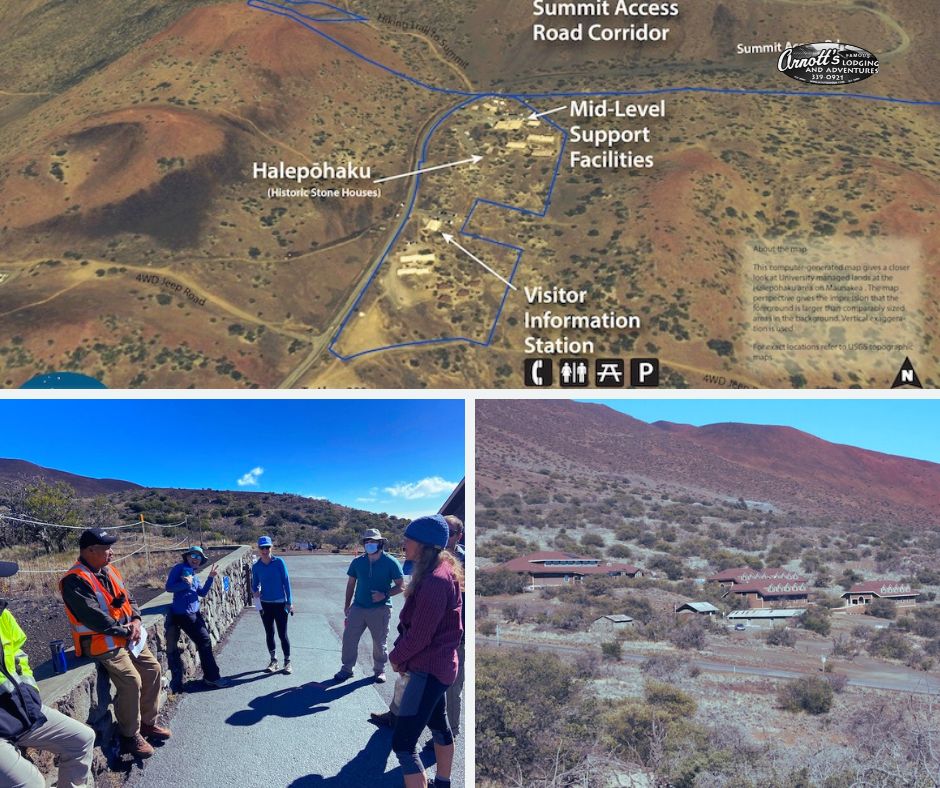
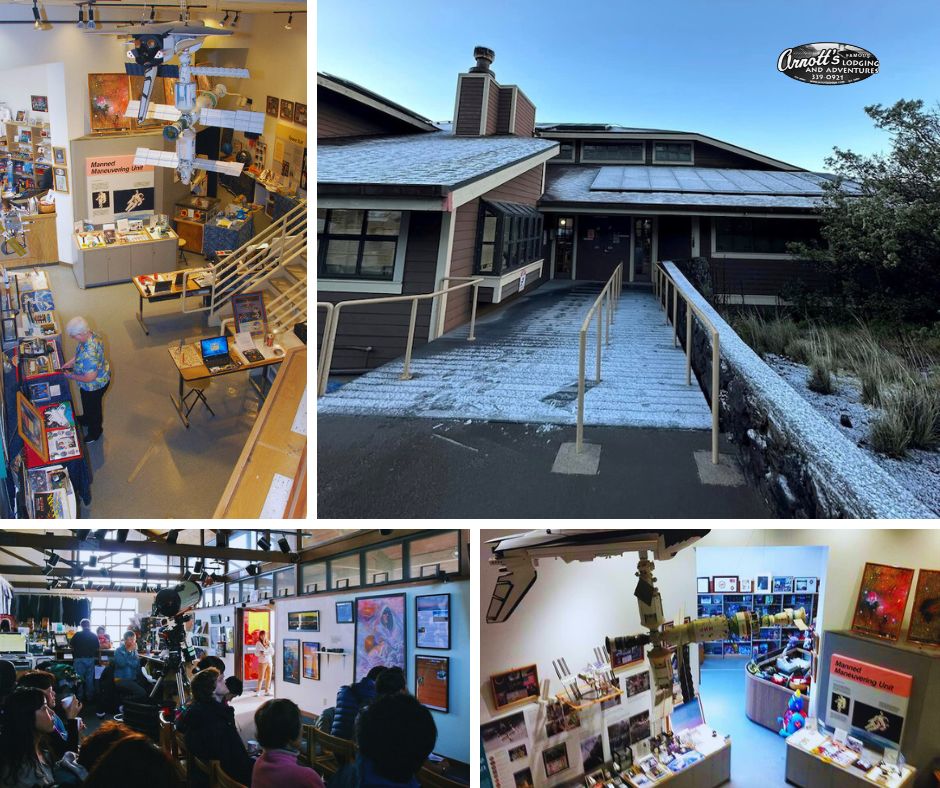
Inside, you’ll find educational exhibits that explore Maunakea’s unique geology, its sacred importance to Native Hawaiians, and the revolutionary astronomy conducted in the summit observatories above. The center also promotes environmental stewardship and high-altitude safety—both essential for visitors ascending further.
The Onizuka Center’s founding was also deeply practical. Scientists and officials recognized the need for a safe acclimatization point before travelers continued toward the summit (which towers at 13,796 feet). Over the years, it evolved into a hub where visitors could pause, learn, and prepare—body, mind, and spirit—for what lies above.
Is the Maunakea Visitor Information Station Open to Visitors?
Yes—the Maunakea Visitor Information Station at the Onizuka Visitor Center is open to the public, and it’s one of the most accessible and rewarding high-altitude stops on the Big Island of Hawaiʻi.
Whether you’re a local family on a day trip, a solo backpacker chasing starlight, or a couple seeking a surreal sunset above the clouds, this is a stop you don’t want to skip. No reservations are required, and there’s no admission fee—just a sense of curiosity and a good pair of shoes.
Hours and Access
The visitor station is generally open daily from 9:00 AM to 9:00 PM (subject to change based on weather or staffing). It’s located off Mauna Kea Access Road, just above the Saddle Road at the heart of the island.
You don’t need a four-wheel-drive vehicle to reach the Visitor Information Station—the road up to this point is fully paved and manageable in most rental cars (more on that later).
Tour Guide Tip: Always check the official Maunakea weather forecast and any ranger alerts before heading up. The station may close early during high winds or snowfall—yes, it snows here!
What’s Available at the Visitor Center?
The Maunakea Visitor Information Station may be remote, but it offers essential amenities and unforgettable experiences:
- Restrooms
- Drinking water station
- Educational exhibits about Maunakea’s geology, astronomy, and Hawaiian cultural significance
- Small gift kiosk (hours may vary)
- Ranger talks (when available)
- Outdoor seating areas for sunset and stargazing
- A parking lot (arrive early—it can fill up, especially during sunset hours)
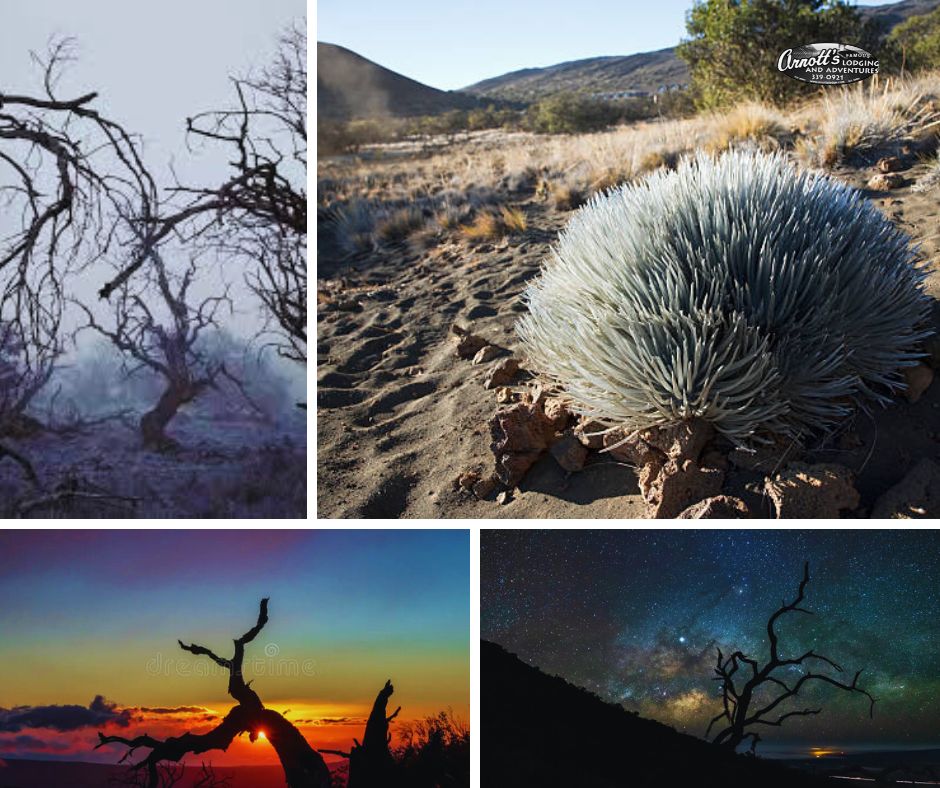
You’ll also find interpretive signage on the surrounding landscape, explaining native plant species, ecological zones, and why Maunakea is one of the most biologically and spiritually significant places in the Pacific.
The Experience: More Than a Rest Stop
When you arrive at the visitor station, there’s a moment of quiet reverence that settles in. You’ll likely see other travelers emerging from their vehicles, blinking at the clarity of the sky, clutching jackets tighter as the temperature dips. The hum of the island below is replaced by the gentle crunch of volcanic gravel and the occasional gasp as someone looks up and realizes—the stars are already visible, even in daylight.
“It’s not just about going higher,” I once told a guest. “It’s about being still in a place that asks you to listen—to the land, to the sky, and to yourself.”
Is Visiting the Maunakea Visitor Information Station Worth Your Time?
Absolutely. Even if you don’t plan to summit Maunakea, the Maunakea Visitor Information Station at Onizuka Visitor Center is an unforgettable experience that stands tall on its own. It’s not just a place to catch your breath before heading higher—it’s a destination rich with stargazing, silence, and stories written in the sky.
As a guide, I’ve watched visitors stand under the stars in total silence, eyes wide, mouths open, tears forming—not from the cold, but from awe. There’s something humbling about this place. The world below feels far away, and the universe above feels close enough to touch.
Why It’s Worth the Stop
1. Incredible Stargazing Without Summit Stress
Even if you’re not planning to drive or hike to the 13,796-foot summit, the 9,200-foot elevation of the visitor station offers pitch-black skies and incredible visibility for constellations, planets, and even the Milky Way.
Story Snapshot: I once handed a pair of binoculars to a young boy visiting with his parents. He found Saturn’s rings on his own and let out a sound I won’t forget—half gasp, half laugh. “I found another planet!” he shouted. That memory? Made right here.
2. Safe Acclimatization Stop
The visitor center is the perfect place to rest, hydrate, and adapt to altitude before considering a summit attempt. Spending at least 30 minutes here before ascending is strongly recommended and could help prevent altitude sickness.
3. Cultural and Educational Value
Inside, visitors will find exhibits about:
- The sacred nature of Maunakea to Native Hawaiians
- Ongoing efforts to protect endemic plant life
- The island’s volcanic and astronomical significance
- The life and legacy of astronaut Ellison Onizuka
For many, this may be their first encounter with Hawaiian perspectives on land, stewardship, and spiritual significance. It’s a chance to deepen your travel experience—not just move through a landscape, but learn from it.
4. World-Class Sunset Views
The center offers jaw-dropping sunsets above the clouds—without the summit climb. Bring a warm coat, a camera, and a sense of stillness. You’ll leave changed.
Bonus: Night Sky Programs (Check for Availability)
The visitor station historically offered free nightly stargazing programs, where staff and volunteers would set up telescopes and guide visitors through the heavens. While these are sometimes paused (due to weather conditions or other reasons), even without a formal program, the skies speak for themselves.
Pro Tip: Visit during a new moon phase for maximum visibility of the stars. Bring a red-filtered flashlight to protect your night vision.
What to Expect on the Drive to the Maunakea Visitor Information Station
The drive to the Maunakea Visitor Information Station is often described as breathtaking, otherworldly, and surprisingly accessible—if you come prepared. While it’s not a journey to take lightly, reaching the Onizuka Visitor Center at 9,200 feet is entirely doable for most drivers in standard vehicles, especially in good weather.
The Route: From Sea Level to Sky Country
Most travelers reach the station via Saddle Road (Daniel K. Inouye Highway), a modern, well-maintained highway that cuts through the Big Island’s interior like a ribbon laid over ancient lava fields. Once you reach the Mauna Kea Access Road, you’ll begin a steep but paved ascent of roughly 6 miles up to the visitor station.
Tour Story: I once drove a nervous honeymoon couple in a compact rental car—no 4WD, no fancy tires—just a healthy respect for the road and a full tank of gas. By the time we reached the station, their nerves had been replaced with wonder. “It feels like we just left Earth,” the groom said. He wasn’t wrong.
Is It Challenging?
Let’s break it down:
Challenge | Reality |
Steep inclines | Yes—especially the final stretch. Go slowly. |
Sharp turns | Some curves, but manageable with normal caution. |
Weather changes | Rapid shifts—check conditions before driving. |
Visibility | Fog and clouds are common near the summit zone. |
Vehicle needs | 4WD not required to reach the Visitor Center. |
Most rental cars (including sedans and minivans) can safely make the journey to the visitor center, but beyond that, the road becomes unpaved and hazardous without true 4WD—and many rental companies prohibit summit driving.
Important Driving Tips
- Check the forecast at MaunaKeaWeather.com or ranger websites.
- Start early to avoid driving in the dark, especially if it’s your first time.
- Avoid alcohol or strenuous activity beforehand—altitude affects awareness.
- Stay hydrated and take your time. It’s not a race.
“The road may be paved,” I like to tell my guests, “but the respect you show this mountain will shape your experience more than your tires ever will.”
Navigation Info
Google Maps Location:
- Search for “Mauna Kea Visitor Information Station” — GPS will guide you straight there.
- Coordinates: 19.7602° N, 155.4558° W
Parking:
There’s a paved lot at the center, but spaces fill quickly at sunset. Plan to arrive an hour early for stargazing or golden hour photography.
Safety Tips for Driving to the Maunakea Visitor Information Station
Driving to the Maunakea Visitor Information Station at Onizuka Visitor Center is generally safe for most travelers. But like many remote high-altitude destinations, safety depends on three things: weather, preparation, and respect for the environment.
The road is paved all the way to the visitor station and can be navigated by standard vehicles in good condition. However, the combination of steep grades, altitude gain, and rapid weather changes can catch even experienced drivers off guard if they’re not ready.
Be Altitude Aware
The visitor center sits at 9,200 feet above sea level. That’s higher than Denver and most ski resorts in the continental U.S. You may not feel it at first, but the air is thinner, and your body will begin to notice after a short time.
Guide Insight: I’ve seen guests go from “totally fine” to lightheaded in under 20 minutes. The key? Hydrate, move slowly, and avoid caffeine or alcohol beforehand. When in doubt, rest. The mountain will still be there tomorrow.
Common symptoms of altitude sickness include:
- Dizziness
- Nausea
- Shortness of breath
- Headaches
- Fatigue
If you feel any of these, do not proceed to the summit. Stay at the visitor station, or descend if symptoms worsen.
Weather: The Game-Changer
One minute it’s clear skies, and the next, fog rolls in like a wave, cutting visibility to a few feet. Temperatures at the visitor center can drop below 40°F (4°C) in the evening—yes, even in July. Rain, ice, snow, and high winds are possible year-round.
Always check these before you drive up:
Safety Best Practices
| Safety Tip | Why It Matters |
| Start early in the day | Better visibility and less weather volatility |
| Don’t rush | Steep roads + altitude = need for caution |
| Use low gear on descent | Prevents brake overheating on steep slopes |
| Bring warm clothes | Wind chill can drop below freezing at night |
| Avoid summit if unwell | Symptoms worsen at higher altitude |
“Driving up Maunakea isn’t just about getting from A to B,” I often say. “It’s about how you get there—and whether you’re listening to what the mountain is telling you along the way.”
What Not to Do
- Don’t drive if you’re sick, intoxicated, or sleep-deprived.
- Don’t rely solely on GPS—cell service is limited in places.
- Don’t leave trash behind. Pack it in, pack it out.
Emergency Contacts & Resources
- Maunakea Rangers (Non-Emergency): (808) 935-6268
- Big Island Emergency Services: Dial 911
- Closest gas stations: Hilo or Waimea—no fuel on Mauna Kea
Elevation of the Maunakea Visitor Information Station at Onizuka Visitor Center
The Maunakea Visitor Information Station, located at the Onizuka Center for International Astronomy, sits at an elevation of 9,200 feet (2,800 meters) above sea level. It’s perched on the upper slopes of Maunakea, about two-thirds of the way to the summit.
This high-altitude outpost isn’t just scenic—it serves a crucial purpose: helping visitors acclimate to the altitude before continuing higher. For many, it’s the highest elevation they’ll ever reach by car.
What Does 9,200 Feet Feel Like?
Imagine climbing above the clouds, where the air is thinner, the colors are sharper, and even your breath feels different. At this elevation, you may experience:
- Slight dizziness or shortness of breath
- A noticeable temperature drop
- Intense clarity of the sky
- A sense of awe as the world below fades into a distant haze
Tour Guide Insight: “I always tell guests, at 9,200 feet, you’re in a place where the island meets the heavens. You’re literally standing on the shoulders of the Pacific’s tallest peak.”
Why Elevation Matters
This isn’t just a cool fun fact—it has real implications for your safety and enjoyment.
1. Acclimatization Stop
The visitor station acts as a required pause for those heading to the summit. Rangers and guides recommend you rest here for at least 30 minutes to let your body adjust to the change in altitude.
2. Astronomical Advantage
At 9,200 feet, you’re already above 40% of Earth’s atmosphere. That’s why astronomers from around the world come here—less air, less distortion, better visibility.
3. Temperature + UV Exposure
- Temperatures can drop to the 30s°F (0–4°C) even in summer
- UV rays are stronger—wear sunscreen even if it’s cloudy
Elevation Comparison
To help travelers visualize just how high 9,200 feet really is, here’s a quick comparison:
| Location | Elevation (Feet) |
| Denver, CO (Mile High City) | 5,280 ft |
| Lake Tahoe, CA/NV | ~6,200 ft |
| Maunakea Visitor Center | 9,200 ft |
| Maunakea Summit | 13,796 ft |
| Mount Fuji, Japan | 12,389 ft |
| Mount Whitney (Lower 48 peak) | 14,505 ft |
What to Pack for 9,200 Feet
Even if you’re just staying at the visitor center:
- Warm layers (thermal jacket, gloves, beanie)
- Water bottle
- Sunscreen and lip balm
- Camera or smartphone with night mode
- Binoculars or telescope (optional but recommended)
“The cold up here has a way of sneaking up on you—especially after sunset. Come prepared, and you’ll be free to focus on the stars, not the shivers.”
What Temperatures to Expect at the Maunakea Visitor Information Station
If you’re picturing Hawaiʻi as endless sunshine and warm ocean breezes, you’re not alone—but Maunakea is a dramatic exception. The Maunakea Visitor Information Station, located at 9,200 feet above sea level, experiences cold temperatures year-round, often catching visitors off guard.
Even in the peak of summer, temperatures can plunge into the 30s and 40s°F (0–8°C) after sunset, with wind chill making it feel even colder. In winter, it’s not uncommon to see ice, frost, and even snow at this elevation.
Guide’s Note: “I’ve seen guests arrive in tank tops and flip-flops, then end up wrapped in their car’s beach towels trying to stay warm. Trust me—Maunakea is not the place to test your tropical tolerance.”
Average Temperatures at 9,200 Feet
Time of Day | Summer Temp (°F) | Winter Temp (°F) |
Daytime (1–4 PM) | 50–65°F | 40–55°F |
After Sunset | 35–45°F | 28–40°F |
Wind Chill Factor | Can feel 10°F colder, especially after dark |
And the summit? Even colder. But the visitor center already offers an alpine climate unlike anywhere else in Hawaiʻi.
What to Wear to the Maunakea Visitor Center
No matter the season, pack for warmth. The temperature can drop quickly, especially as the sun sets and the wind picks up. Here’s what I recommend bringing:
- Insulated jacket or parka
- Long pants (no shorts!)
- Wool socks + waterproof or closed-toe shoes
- Beanie or warm hat
- Gloves or hand warmers
- Thermal base layers (especially in winter)
- Blanket for extra comfort while stargazing
“Dress for Maunakea like you’re visiting Colorado—not Kailua-Kona.”
Cold + Altitude: Why It Matters
At 9,200 feet, cold impacts your body more intensely than at sea level. Your circulation slows, your breathing becomes more labored, and exposure can lead to discomfort or even hypothermia if you’re not careful.
Safety Tips:
- Limit time outside if you’re feeling chilled
- Stay hydrated, even in the cold—altitude dehydrates
- Avoid alcohol or caffeine before or during your visit
- Know your limits—it’s okay to retreat to your car or descend if needed
Is a 4WD Vehicle Required to Reach the Maunakea Visitor Information Station?
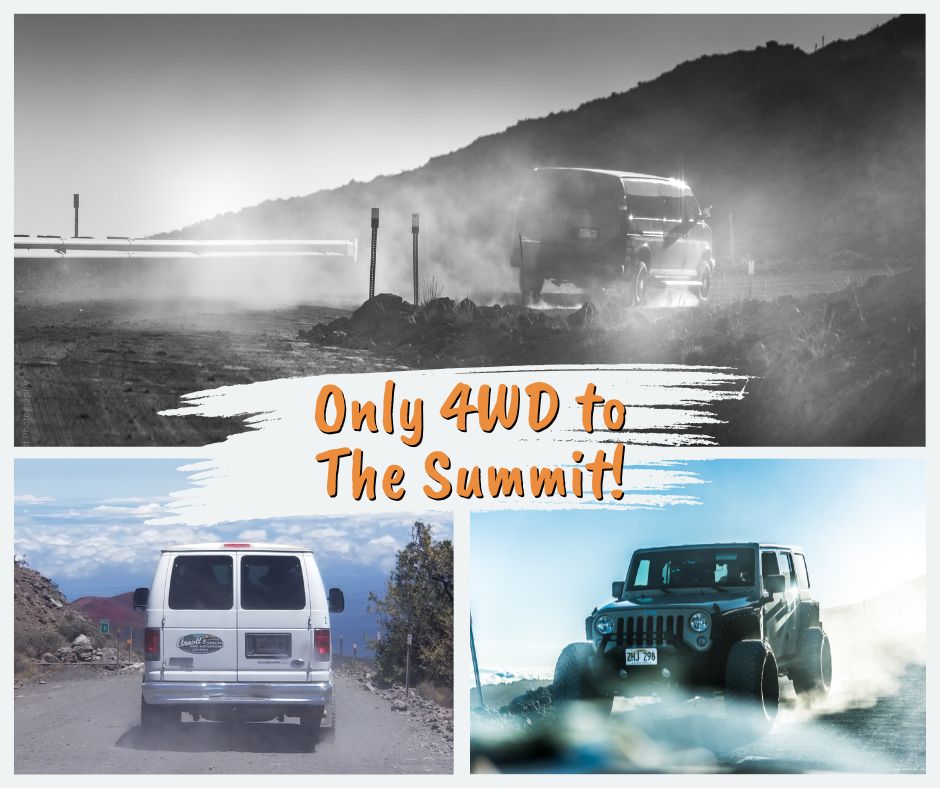
Good news for road-tripping travelers: you do NOT need a 4WD (four-wheel drive) vehicle to reach the Maunakea Visitor Information Station at the Onizuka Visitor Center. The road from Saddle Road (Daniel K. Inouye Highway) up to the visitor center is fully paved, well-maintained, and accessible to most standard vehicles—including rental cars.
Guide’s Note: “I’ve taken guests up in everything from compact sedans to minivans. If the weather is clear and your brakes are good, you’ll be fine. Just go slow and respect the grade.”
Where the Paved Road Ends
The Mauna Kea Access Road continues past the visitor center toward the summit, but here’s the key difference:
Destination | Road Surface | Vehicle Required |
Visitor Center | Paved | Standard vehicle OK |
Summit | Unpaved, steep | 4WD required |
At the Visitor Information Station, the paved portion ends and transitions into a rugged, unpaved road. That upper section includes steep inclines, soft gravel, and sharp turns—absolutely unsuitable for non-4WD vehicles.
Most rental car companies prohibit driving past the visitor center and will not cover damages if you attempt the summit road without proper authorization.
Important Driving Notes
- 4WD is not required to reach the Maunakea Visitor Information Station
- 4WD is required to continue past the visitor center to the summit
- The summit road is often closed by rangers due to weather or safety risks
- Many tours include summit access with licensed 4WD vehicles (ideal alternative)
Guest Tip: “If you want to go higher but don’t have the right car, book a Maunakea Summit Tour. They’ll handle the vehicle, permits, and safety gear—plus the storytelling is incredible.”
What You Need to Drive Safely to the Visitor Center:
- A car with good brakes and tires
- A full tank of gas (no stations nearby)
- Headlights that work well in low visibility
- A sense of adventure—and caution
Hiking from the Maunakea Visitor Information Station to the Summit
You can walk from the Maunakea Visitor Information Station to the summit of Maunakea—but this isn’t your average trail hike. The Mauna Kea Summit Trail is steep, long, remote, and extremely challenging. For experienced hikers, it’s an unforgettable journey. For the unprepared, it can be dangerous.
Trail Overview
- Trailhead: Maunakea Visitor Information Station (9,200 ft)
- Destination: Maunakea Summit (13,796 ft)
- Round-trip Distance: ~12 miles (19.3 km)
- Elevation Gain: ~4,600 feet (1,400 m)
- Time Estimate: 6–10 hours round-trip
- Trail Conditions: Rocky, dusty, exposed, and high altitude
Guide’s Note: “This isn’t a scenic stroll—it’s a pilgrimage. You’re walking into thinner air, stronger sun, and sacred space. If you go, go with purpose, preparation, and respect.”
Who Should Attempt the Hike?
Only attempt this hike if you:
- Are in excellent physical condition
- Have already acclimated to high altitude
- Are experienced with long, high-elevation hikes
- Are well-prepared with gear, food, and water
- Start early (ideally before 8:00 AM)
- Understand the cultural significance of the summit
Note: The trail passes through wahi pana, sacred land to Native Hawaiians. While respectful visitation is allowed, treat the area with reverence. Many Hawaiian kupuna (elders) believe the summit is not meant to be disturbed.
What to Bring for the Summit Hike
- 3+ liters of water
- High-calorie snacks/lunch
- Warm layers and wind protection
- Sunscreen + sunglasses
- Topographic map or GPS
- Headlamp (just in case)
- Emergency blanket
- Trekking poles (recommended for steep descent)
- A mindset of respect and humility
Respecting the Cultural Landscape
While the summit features world-class observatories and a view of the entire Big Island, it’s also the home of Wākea and Papahānaumoku in Hawaiian cosmology. Please stay on trail, do not stack rocks or leave offerings, and avoid loud behavior. Consider simply enjoying the trail and stopping at a viewpoint below the summit.
Dangers of the Trail
This hike is not patrolled, and rescue operations at high elevation are difficult. Altitude sickness, dehydration, exhaustion, and sudden weather shifts are real risks.
“Every year, hikers underestimate Maunakea. The mountain doesn’t care how fit you were at sea level,” I tell guests. “If you feel dizzy or nauseous, turn back. Pride has no place at 14,000 feet.”
Sunset Views from the Maunakea Visitor Information Station
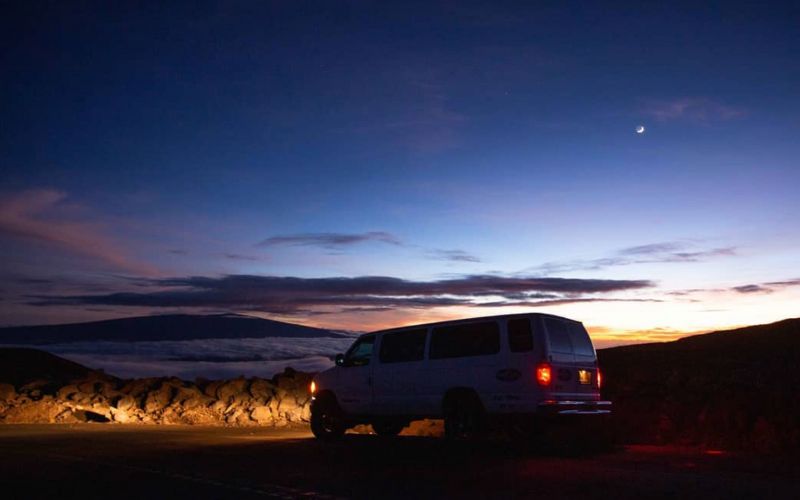
Sunsets from the Maunakea Visitor Information Station are nice, but from the summit is even better. It is one of the most awe-inspiring experiences you can have on the Big Island of Hawaiʻi. In fact, many visitors come specifically to catch the sunset at 9,200 feet, where the clouds often form a glowing blanket beneath your feet, and the sky explodes into shades of orange, crimson, and violet.
You don’t need to go all the way to the summit to enjoy a world-class sunset. At the Onizuka Visitor Center, you’re already well above the cloud line, offering unobstructed views that rival any lookout in the Pacific.
Guide’s Note: “There’s something spiritual about watching the sun dip below a bed of clouds. It’s like the whole world hushes for a moment just to say goodbye to the day.”
Best Time to Arrive
To secure parking and a good viewing spot:
- Arrive at least 45 minutes before sunset
- Sunset times vary by season—typically between 5:45 PM and 7:15 PM
- Check daily sunset time here
Arriving early also helps your body adjust to the altitude before the temperature drops sharply.
What to Expect at Sunset
- Sea of clouds forming below the horizon
- Colorful skies painted by high-elevation light scattering
- Golden-hour lighting perfect for landscape and portrait photography
- Chilly temperatures—expect mid-30s to low-40s°F
- A quiet, reverent atmosphere—many guests sit in silence, wrapped in jackets or blankets, just watching
Photography Tips
- Use a tripod or stable surface for long exposures
- Bring extra batteries (cold drains them quickly)
- Use manual mode if possible to capture the dynamic range
- Try a timelapse video of the clouds rolling under the setting sun
One of the best shots I’ve ever taken on the Big Island was from the parking lot—no summit required. The light, the silence, the thin air… it all came together.
Tips for a Comfortable Sunset Experience
- Bring warm layers and a windbreaker
- Pack a hot drink in a thermos (no alcohol—altitude + booze = bad combo)
- Use red flashlight filters to preserve your night vision
- Stay for 30+ minutes after sunset—the stars will begin to emerge
And remember: stargazing begins where sunset ends. Stick around and you’ll be rewarded with a dark sky brimming with constellations.
Maunakea Visitor Center vs. Mauna Kea Summit — What’s the Difference?
Though they’re part of the same majestic mountain, the Maunakea Visitor Information Station (Onizuka Visitor Center) and the Mauna Kea summit are two very different experiences. Each offers unique views, elevation, cultural significance, and access conditions—and knowing the difference can help you plan the right visit.
Guide’s Note: “Think of the Visitor Center as the gateway and the summit as the sacred crown. One prepares you. The other transforms you—if you’re ready.”
Side-by-Side Comparison
Feature | Visitor Information Station | Summit of Mauna Kea |
Elevation | 9,200 feet (2,800 m) | 13,796 feet (4,205 m) |
Road Access | Paved road, any vehicle | Unpaved, 4WD required, dangerous |
Facilities | Restrooms, water, parking, exhibits | No public facilities |
Cultural Consideration | Educational exhibits on Hawaiian culture | Sacred land to Native Hawaiians |
Sunset Views | Exceptional views above the clouds | Panoramic summit vista, often windy |
Stargazing | Programs (when available), telescopes | Professional observatories (no public access at night) |
Hiking Access | Trailhead to summit begins here | Final point of hike or 4WD route |
Safety Risks | Moderate altitude | Extreme altitude, risk of altitude sickness |
Why Most Visitors Stop at the Visitor Center
The Maunakea Visitor Information Station is accessible, educational, and safe for the majority of travelers. It offers:
- Amazing stargazing at a breathable elevation
- Sunset views without the summit drive risk
- A place to learn about the mountain’s cultural and scientific significance
- Facilities (bathrooms, water, signage)
And—perhaps most importantly—it allows travelers to respectfully experience the mountain without disturbing its most sacred peak.
Visiting the Summit: Know Before You Go
The summit of Mauna Kea is:
- Extremely high elevation (13,796 ft)—higher than Machu Picchu
- Often off-limits at night to the general public
- Considered kapu (sacred and restricted) by many Native Hawaiians
- Home to international astronomical observatories, which are not open to casual visitors
- Closed during poor weather, and access is restricted to 4WD vehicles only
Cultural Note: Many visitors choose not to ascend to the summit out of respect for Native Hawaiian beliefs. The summit is considered a sacred realm—the meeting place of Earth and sky gods.
Choose Based on Your Goals
- Want a safe, educational experience with incredible skies and minimal altitude risk?
→ The Maunakea Visitor Information Station is ideal. - Want a bucket-list, high-altitude view and are prepared for the risks and respectful of cultural sensitivity?
→ Consider a guided summit tour to the top.
“Sometimes, the wisest journey is the one that stops short of the peak,” I once told a traveler. “There’s beauty in knowing where to pause.”
Road Conditions to the Maunakea Visitor Information Station
The road to the Maunakea Visitor Information Station is fully paved and accessible by most standard vehicles. The route begins with the Daniel K. Inouye Highway (Saddle Road) and connects to the Mauna Kea Access Road, which remains paved all the way to the Onizuka Visitor Center at 9,200 feet.
For most travelers, this is a pleasant surprise: despite the mountain’s remote and rugged appearance, the drive to the visitor center is smoother than many coastal roads on the island.
Guide’s Tip: “You don’t need a Jeep or a 4WD monster to get up here—just good brakes, a little patience, and respect for the altitude.”
Route Overview
- Start Point: Saddle Road (Hwy 200), accessible from Hilo or Waimea
- Turnoff: Mauna Kea Access Road (clearly marked)
- Distance to VIS: ~6 miles from Saddle Road turnoff
- Surface: 100% paved to the Maunakea Visitor Information Station
- Gradient: Moderate to steep incline with sharp curves
The road becomes gravel and unpaved beyond the Visitor Center, which is why 4WD is required only for summit access—not to reach the visitor center.
Driving Conditions
Even though the road is paved, there are a few important things to keep in mind:
1. Steep Grades
- Expect consistent uphill climbs.
- Use lower gears to reduce brake wear—especially when descending.
2. Limited Guardrails
- There are long stretches without barriers, particularly during the final ascent.
- Drive cautiously and avoid distractions.
3. Weather Hazards
- Fog, rain, and even snow are possible—yes, snow in Hawaiʻi!
- The road may be temporarily closed due to icy conditions or high winds. Always check road conditions before you drive.
Where to Park
The visitor center has a paved parking lot that fills quickly—especially near sunset or stargazing hours. Plan to arrive early for events, and bring a flashlight or headlamp if staying after dark.
Nighttime Access to the Maunakea Visitor Information Station
You can drive to the Maunakea Visitor Information Station at night, and in fact, many travelers do. The visitor center at 9,200 feet is a prime location for stargazing, making nighttime visits especially popular during new moon phases and clear sky conditions.
However, while the road remains open after dark (unless closed due to weather or safety reasons), driving up Maunakea at night requires extra preparation, attention, and respect for the mountain environment.
Guide’s Note: “The stars are worth the drive—but only if you’re wide awake, well-equipped, and ready for pitch-black conditions.”
Night Driving Conditions
At night, the Mauna Kea Access Road can feel remote and mysterious. It’s paved all the way to the visitor center, but expect:
- Limited or no lighting (true dark-sky zone)
- Sharp curves and steep grades
- Wildlife on the road—including goats and feral sheep
- Thick fog or clouds at higher elevations
- Cool to freezing temperatures year-round
Make sure your headlights are functioning properly, drive slowly, and never overtake vehicles or speed—even if the road seems empty.
Tips for Driving Safely at Night
- Check for closures or alerts: Maunakea Road Conditions
- Fuel up in Hilo or Waimea—no gas stations nearby
- Use low beams to preserve night vision
- Avoid caffeine or alcohol before driving
- Leave early enough to return before midnight, unless you’re an experienced night driver
“Driving to Maunakea at night is like stepping into another world—just make sure you don’t get lost in the stars before getting back down.”
Why Drive at Night?
1. Stargazing Without Summit Risks
The visitor center is high enough for incredible night sky visibility—and you can stay for as long or as little as you like.
2. Quiet, Crowd-Free Experience
Evenings are typically more peaceful than daytime visits. Bring a blanket, a thermos of hot tea, and your curiosity.
3. Astrophotography Opportunities
Without light pollution, you’ll have the chance to photograph:
- The Milky Way
- Shooting stars during meteor showers
- Constellations, planets, and nebulae
What to Bring for Nighttime Visits
- Headlamp or flashlight (red light preferred)
- Warm layers and gloves
- Water and snacks
- Tripod or binoculars
- Back-up phone charger (batteries drain quickly in cold)
- Paper map (cell service is limited)
Stargazing and Telescopes at the Maunakea Visitor Information Station
The Maunakea Visitor Information Station (Onizuka Visitor Center) is one of the best public stargazing locations in the world, and telescopes have long been a highlight of the visitor experience. While the summit of Maunakea hosts some of the world’s most powerful scientific observatories, the visitor center offers public access to telescopes, stargazing programs, and expert guidance—all at a safer elevation.
Guide’s Memory: “I once watched a family take turns looking at Saturn’s rings through a center telescope. The youngest gasped and said, ‘It looks like a drawing!’ That wonder—that’s why we bring people here.”
Telescopes & Evening Programs
The Onizuka Center for International Astronomy Visitor Information Station has traditionally hosted free nightly stargazing programs, where staff and volunteers set up high-powered telescopes and explain what’s visible in the sky that evening.
Evening Program Details (Subject to availability):
- Typically starts after sunset and runs until ~9:00 PM
- Includes access to telescopes and informal astronomy talks
- Operated by University of Hawaiʻi staff, rangers, and volunteers
- Programs are weather-dependent and may be paused due to storms, staffing, or health mandates
Check the current program status on Maunakea Observatories.
What You Can See Through the Telescopes
Depending on the time of year and moon phase, you may observe:
- Saturn’s rings
- Jupiter and its moons
- Mars and Venus
- The Orion Nebula, Andromeda Galaxy, or Milky Way core
- Shooting stars and meteor showers (during peak events)
Even without telescopes, the naked-eye visibility at this elevation—above much of Earth’s atmosphere—is stunning. On a moonless night, the sky can feel alive with stars.
Can You Bring Your Own Telescope?
Yes! The paved lot and surrounding area offer dark-sky conditions ideal for:
- Amateur astronomers
- Astrophotographers
- Binocular skywatchers
Bring:
- Tripod-mounted telescope or DSLR
- Red light headlamp
- Star map app (pre-downloaded due to spotty service)
- Extra batteries and lens wipes for cold weather
Things to Remember
- No public access to summit observatories at night
- No facilities after hours—use restrooms before programs end
- Dress warmly—temperatures drop to near freezing after dark
- Respect silence and others’ space—this is a place of learning and awe
“The telescopes show us distant galaxies,” I like to say, “but sometimes, they also show us something closer—our own smallness, and how beautiful that can be.”